When it comes to assessing the condition of your current roof, there are several key factors to consider. First and foremost, you’ll want to take a close look at the age of your roof. Most roofs have a lifespan of 20-25 years, so if your roof is approaching or exceeding this age, it may be time to consider a replacement. Additionally, you’ll want to inspect the shingles for any signs of damage or wear. Look for missing or cracked shingles, as well as any signs of curling or buckling. These are all indicators that your roof may be in need of replacement. Another important factor to consider is the presence of any leaks or water damage. If you notice any water stains on your ceiling or walls, it’s crucial to address these issues promptly, as they can lead to more serious problems if left untreated. Finally, consider the overall structural integrity of your roof. If you notice any sagging or drooping, it’s important to have a professional assess the situation to determine if a replacement is necessary.
In addition to visual inspections, it’s also important to consider the environmental factors that may be impacting the condition of your roof. Harsh weather conditions, such as heavy rain, snow, or wind, can take a toll on your roof over time. Additionally, if you live in an area prone to extreme temperatures or frequent storms, these factors can also contribute to the deterioration of your roof. By taking these factors into consideration, you can gain a better understanding of the overall condition of your roof and make an informed decision about whether it’s time for a replacement.
Choosing the Right Material for Your Roof
When it comes to choosing the right material for your new roof, there are several options to consider, each with its own set of advantages and disadvantages. One of the most popular choices for residential roofing is asphalt shingles. Asphalt shingles are affordable, easy to install, and come in a wide variety of colors and styles. They also provide good protection against the elements and have a relatively long lifespan. Another popular option is metal roofing, which is known for its durability and longevity. Metal roofs are resistant to fire, rot, and insect damage, making them a low-maintenance option for homeowners. Additionally, metal roofs are highly energy-efficient and can help reduce heating and cooling costs.
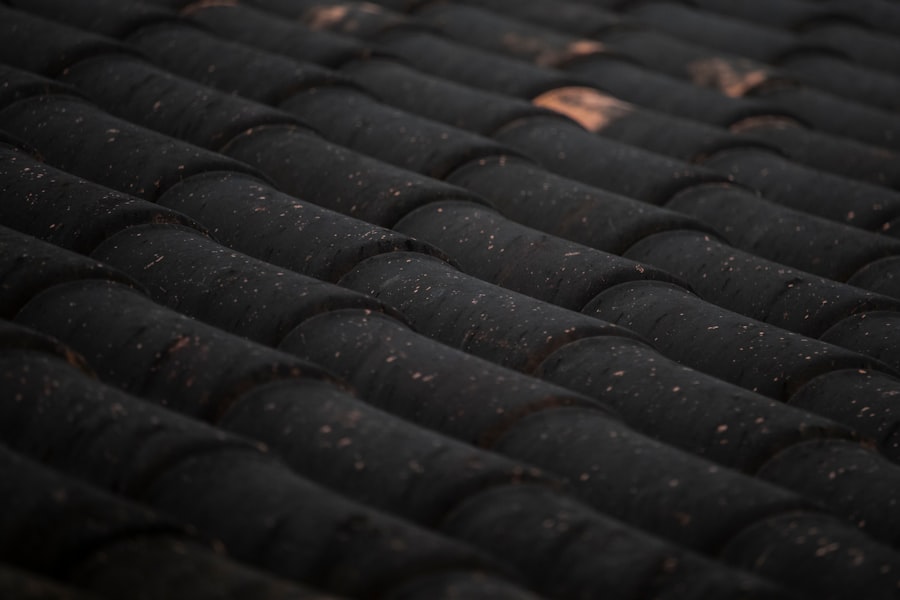
For those looking for a more environmentally friendly option, consider a roof made from recycled materials such as rubber or plastic. These materials are not only eco-friendly but also offer good insulation and durability. Another eco-friendly option is a green roof, which is covered in vegetation and helps reduce energy costs while providing natural insulation and stormwater management. Finally, for a more upscale and luxurious look, consider options such as slate or clay tiles. While these materials are more expensive and require professional installation, they offer unmatched beauty and durability.
Ultimately, the right material for your roof will depend on your budget, aesthetic preferences, and the climate in which you live. By carefully considering these factors and weighing the pros and cons of each material, you can make an informed decision that meets your needs and preferences.
Understanding the Cost and Budgeting for the Replacement
Understanding the cost of a roof replacement is crucial for proper budgeting and planning. The cost of a new roof can vary widely depending on several factors, including the size and complexity of your roof, the materials used, and the contractor you choose. On average, homeowners can expect to pay anywhere from $5,000 to $15,000 for a standard asphalt shingle roof replacement. However, this cost can increase significantly if you opt for more expensive materials or have a larger or more complex roof.
To accurately budget for a roof replacement, it’s important to obtain quotes from several reputable contractors in your area. Be sure to ask for detailed estimates that outline the cost of materials, labor, permits, and any additional services such as debris removal or gutter installation. Additionally, consider any potential hidden costs that may arise during the project, such as unexpected structural damage or the need for additional repairs.
When budgeting for a roof replacement, it’s also important to consider the long-term value of your investment. While a new roof may seem like a significant expense upfront, it can add considerable value to your home and save you money in the long run by reducing energy costs and preventing costly repairs due to water damage or leaks. By carefully considering these factors and working with a reputable contractor to develop a realistic budget, you can ensure that your roof replacement project stays on track financially.
Hiring the Right Contractor for the Job
| Criteria | Importance | Considerations |
|---|---|---|
| Experience | High | Past projects, years in business |
| Reputation | High | Reviews, referrals |
| License and Insurance | High | Verify credentials |
| Cost | Medium | Compare quotes |
| Communication | High | Clear and timely |
Hiring the right contractor for your roof replacement is crucial for ensuring a successful and stress-free project. When searching for a contractor, be sure to do thorough research and ask for recommendations from friends, family, or neighbors who have recently had their roofs replaced. Additionally, check online reviews and ratings to get a sense of a contractor’s reputation and track record.
When meeting with potential contractors, be sure to ask about their experience and qualifications. A reputable contractor should be licensed and insured and have a proven track record of successful roof replacements. Additionally, ask about their warranty offerings and whether they use subcontractors for any part of the project.
It’s also important to get detailed estimates from multiple contractors before making a decision. Be wary of any contractor who provides an estimate without thoroughly inspecting your roof first. A reputable contractor should conduct a thorough inspection of your roof before providing an estimate to ensure accuracy.
Finally, trust your instincts when choosing a contractor. If something feels off or if a contractor seems unwilling to answer your questions or address your concerns, it may be best to continue your search. By taking the time to find the right contractor for your roof replacement, you can ensure that the project is completed to high standards and meets your expectations.
Obtaining Necessary Permits and Insurance
Before beginning a roof replacement project, it’s important to obtain any necessary permits and insurance to ensure that the project is completed legally and safely. Most municipalities require permits for major construction projects such as roof replacements to ensure that the work meets building codes and safety standards. Failure to obtain the necessary permits can result in fines or legal issues down the line.
To obtain permits for your roof replacement, contact your local building department or permit office to find out what is required in your area. In most cases, you will need to submit detailed plans and specifications for your new roof and pay a fee to obtain the necessary permits. Be sure to work with your contractor to ensure that all necessary permits are obtained before work begins.
In addition to permits, it’s also important to ensure that your contractor has the necessary insurance coverage to protect against any accidents or damage that may occur during the project. Ask for proof of insurance before work begins and verify that it is up to date and sufficient to cover any potential liabilities.
By taking the time to obtain necessary permits and insurance before beginning your roof replacement project, you can avoid potential legal issues and ensure that the project is completed safely and according to code.
Planning for Disruption and Safety Measures
A roof replacement project can be disruptive to your daily routine and may pose safety risks if not properly managed. Before work begins on your new roof, it’s important to plan for potential disruptions and take safety measures to protect yourself, your family, and your property.
First and foremost, consider how the project will impact your daily routine. Roof replacements can be noisy and messy, so it’s important to plan accordingly. Consider making arrangements for pets or young children who may be sensitive to loud noises or unfamiliar people in or around your home. Additionally, be prepared for potential interruptions in utilities such as water or electricity during the project.
In terms of safety measures, be sure to communicate with your contractor about any specific safety concerns you may have. For example, if you have fragile landscaping or delicate outdoor furniture near your home, discuss how these items will be protected during the project. Additionally, consider any potential hazards such as falling debris or nails and take steps to mitigate these risks.
Finally, be sure to communicate with your neighbors about the upcoming project to minimize any potential disruptions or concerns they may have. By planning ahead and taking safety measures into consideration, you can ensure that your roof replacement project is completed with minimal disruption and in a safe manner.
Considering Energy Efficiency and Environmental Impact
When replacing your roof, it’s important to consider the energy efficiency and environmental impact of the materials you choose. A new roof presents an opportunity to improve the energy efficiency of your home and reduce its environmental footprint.
One way to improve energy efficiency is by choosing materials that offer good insulation properties. For example, metal roofs are known for their ability to reflect solar heat and reduce cooling costs in hot climates. Additionally, consider options such as cool roofs or green roofs that are designed specifically to minimize heat absorption and reduce energy consumption.
In terms of environmental impact, consider choosing materials that are made from recycled or sustainable sources. For example, asphalt shingles can be made from recycled materials such as plastic or rubber, reducing their environmental impact. Additionally, consider options such as clay tiles or slate that are natural and long-lasting materials with minimal environmental impact.
Finally, consider how your choice of roofing material will impact waste generation during installation and disposal at the end of its lifespan. Some materials generate more waste during installation than others, so it’s important to consider this factor when making your decision.
By carefully considering energy efficiency and environmental impact when choosing materials for your new roof, you can make a positive impact on both your home’s energy consumption and its overall environmental footprint.
One of the most important factors to consider when choosing materials for your new roof is their energy efficiency. Materials that are able to reflect more sunlight and heat can help reduce the amount of energy needed to cool your home, ultimately lowering your energy bills and reducing your home’s carbon footprint. Additionally, selecting materials that are made from sustainable or recycled sources can further minimize the environmental impact of your roof. By prioritizing energy efficiency and environmental sustainability in your roofing materials, you can contribute to a more eco-friendly and energy-efficient home.